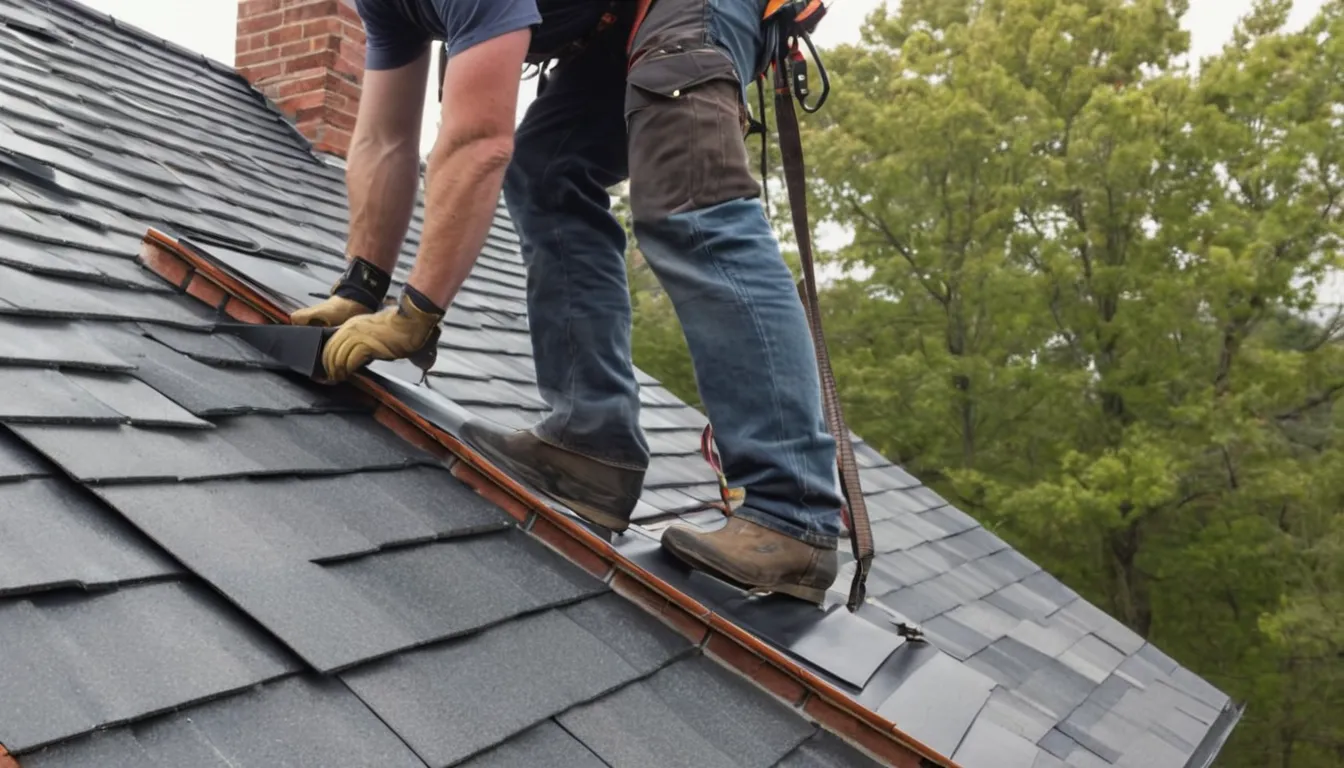
Roof Repair for Leaks and Damaged Spots
Have a provider find the leak
Roof repair fixes a specific problem in one area of the roof. Common examples are a leak at a vent pipe, a few shingles blown off in a gust, cracked flashing at a chimney or a soft spot near a valley. A repair makes sense when the roof still has years left and the problem is contained. When problems keep spreading or the roof is near the end of its life, a provider may suggest replacement instead, and you should hear the reasons in plain terms.
Bikerspage Roofing is a referral service. We connect homeowners in Indianapolis and across the Indianapolis area with independent local roofing contractors. The provider finds the source of the leak, explains the repair options and gives you a written estimate before any work starts. This page explains what to do first, how leaks are traced, which repairs are common, what temporary fixes can do and how to tell when a repair stops being the right answer.
Roof Leak? Start Here
Catch the water first. Set a bucket or a tub under the drip and put a towel in it to quiet the splash. Move furniture, rugs and electronics out of the way. If a ceiling has a bulge, poke a small hole at the low center of the bulge with a screwdriver so water drains into the bucket instead of bringing the drywall down. Turn off power to the room if water is near a light fixture.
Stay off the roof. Wet shingles are slippery, and a leak is rarely where it looks like it should be.
Why Small Leaks Grow
A drip that shows up only in heavy rain is easy to put off. Meanwhile, water soaks the insulation, rots the decking and can lead to mold in the attic. In winter, water that freezes in a small gap widens it. A leak caught early often means a small repair. One left for a season can mean replacing decking, drywall and insulation too.
Common Repairs
Missing or Damaged Shingles
Wind can tear off tabs or crease shingles so they no longer seal. The provider replaces them with matching shingles and reseals the area.
Flashing Repairs
Flashing is the metal that seals joints around chimneys, walls, skylights and valleys. When it rusts, cracks or pulls loose, water runs straight in.
Pipe Boots and Vents
The rubber collar around a plumbing vent pipe dries out and cracks with age and sun. It is one of the most common leak sources and one of the simpler fixes.
Valleys and Eaves
Valleys carry the most water on a roof. Eaves are where ice dams form in winter. Both can need new underlayment or ice barrier as part of the repair.
How a Provider Finds the Leak
Water travels. It can enter at a vent and run down a rafter for several feet before it drips onto a ceiling. A provider starts in the attic, looking for stains, damp wood and daylight. Then they check the roof above that area for broken shingles, failed sealant and loose flashing. Some use a hose test, running water over one section at a time while someone watches inside.
Temporary Fixes
A provider may install a tarp or apply roofing sealant to stop water until a full repair can be done. These are short-term measures. Tarps break down in sun and wind, and sealant can hide the real problem. Ask how long the temporary fix should hold and when the permanent repair will happen.
Repair Work on Different Roof Types
Asphalt shingles are the most common in this area and the simplest to repair, as long as matching shingles are available.
Metal roofs need the right fasteners, sealants and panels. Not every roofer works on metal, so ask.
Low-slope sections, such as porch roofs or additions, often use rolled roofing or membrane. They need a different repair method from shingles.
Repair or Replace?
Repair is usually the right call when the roof is less than about 15 years old, the damage is in one area and the decking is sound. Replacement starts to make more sense when:
- The roof is around 20 years old or more
- Leaks show up in several places
- Shingles are curling or bare across many slopes
- Repairs have been needed more than once in the past few years
A provider should explain which way they lean and why, in writing. On an older roof, money spent on repeated repairs may be better put toward a new roof.
Choosing a Roofing Contractor
Look for a provider with a local address, proof of liability insurance and any license your town requires. Ask for a written estimate that names the exact repair, the materials and the price. Ask whether the repair comes with a workmanship warranty and how long it lasts. Be wary of anyone who wants full payment before starting or who finds far more damage than you were expecting without showing you photos.
Questions to Ask
- Where exactly is the leak coming from?
- Is the decking damaged under the repair area?
- Will the new shingles match?
- How long should this repair last?
- Is replacement worth considering instead?
What's Included
Leak Source Tracing
The provider checks the attic and the roof surface to find where water is actually getting in.
Shingle Replacement
Missing, cracked or creased shingles swapped for matching ones and sealed.
Flashing and Vent Repairs
Loose flashing, cracked pipe boots and damaged vents fixed to stop water at joints.
Written Recommendation
A clear note on whether a repair will hold or whether replacement makes more sense for the roof's age.
What Roof Repairs Cost
These are typical U.S. ranges for common residential roof repairs. Prices depend on the size of the area, roof pitch, access, materials and whether the decking is damaged underneath. Ask for a written quote before work begins.
| Item | Typical range | Notes |
|---|---|---|
| Minor shingle repair | $250 to $900 | A few missing or cracked shingles |
| Pipe boot replacement | $150 to $500 | Common leak source around vent pipes |
| Flashing repair | $300 to $1,200 | Chimney, wall or skylight joints |
| Valley repair | $500 to $2,000 | Includes new underlayment in the valley |
| Decking section repair | $500 to $2,000 | When boards under the leak are soft |
| Leak investigation | $150 to $450 | Often credited if you hire for the repair |
How It Works
Protect the Inside
Catch drips, move belongings and turn off power near water. Stay off the roof itself.
Share What You See
Call or send the form with your town, where the drip is and when it started.
Trace the Leak
A provider checks the attic and roof to find the true source of the water.
Approve the Repair
Review the written estimate and choose repair, replacement or more time to decide.
Why Call Bikerspage Roofing
Root Cause First
Providers trace the leak to its source, so the repair addresses the problem instead of the stain on the ceiling.
Honest Options
You hear whether a repair will hold or a new roof makes more sense.
Local Providers
Independent contractors in the Indianapolis area who know how frost, heat and storms wear roofs here.
No Obligation
Get a written estimate and decide on your own time. Nothing is owed for asking.
Other Services
Need roof repair in Indianapolis?
Old roof, hail marks or a new leak? Request a callback or send the estimate form, and a local provider can follow up with options.
No obligationRoof Repair FAQ
Why does my roof only leak in heavy rain?
Heavy or wind-driven rain pushes water into places light rain does not reach, such as worn flashing, cracked pipe boots or lifted shingles. Ice dams cause a similar pattern in winter. A provider can trace the path and find the weak spot.
Can I patch a roof leak myself?
From inside, you can catch water and protect your belongings. Work on the roof itself is risky without fall protection, and a patch in the wrong spot can hide the real problem. Leave roof work to a provider.
Is it worth repairing an old roof?
Sometimes, for one small problem. If the roof is around 20 years old and has several leaks or worn slopes, repeated repairs often cost more over time than a new roof.
Request a callback
Old roof, hail marks or a new leak? Request a callback or send the estimate form, and a local provider can follow up with options.
No obligation