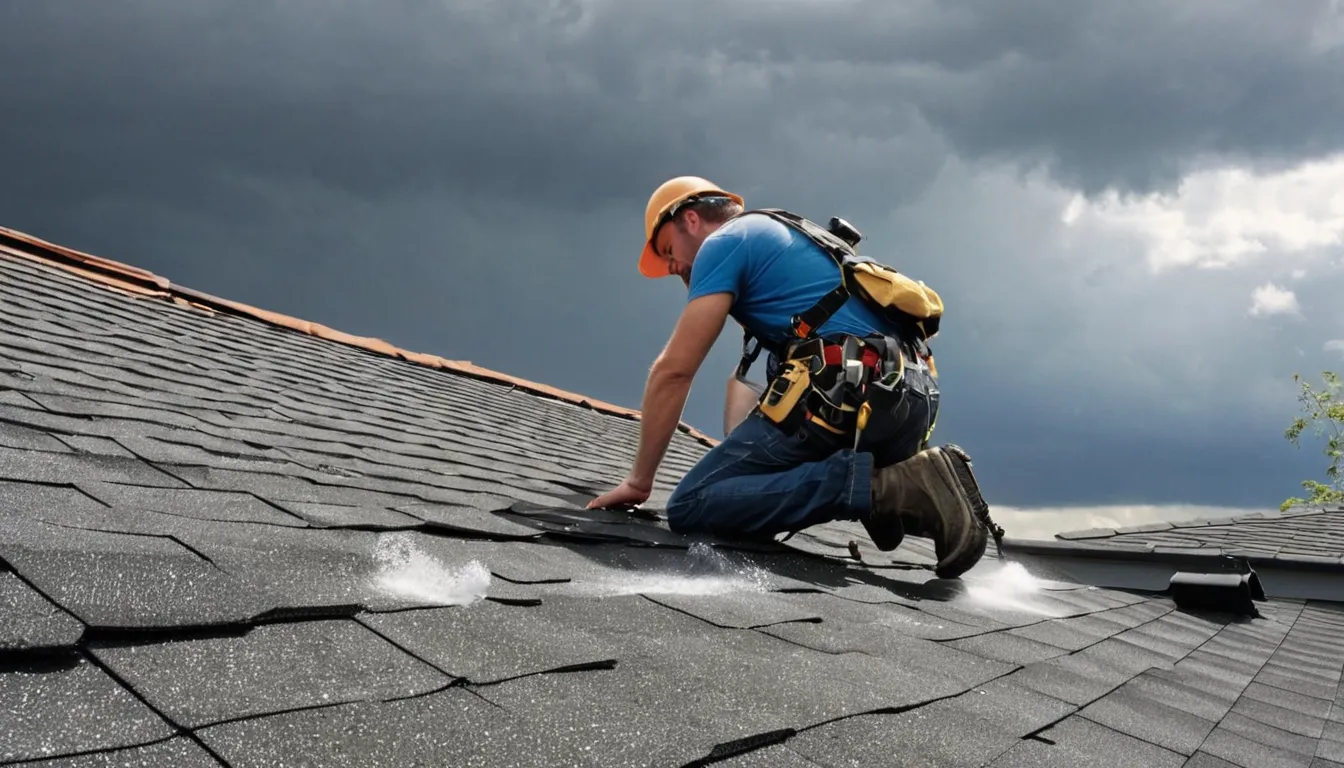
Storm and Hail Damage Roof Repair
Get the roof checked by a provider
Storm damage is harm caused by one weather event, such as a hailstorm, a straight-line wind gust or a falling limb. It is different from slow wear, and that difference matters. It changes how the roof is repaired and whether a homeowner policy may help with the cost. Some damage is obvious, like a tree branch on the roof. A lot of it is hard to spot from the yard, especially bruised shingles after hail.
Bikerspage Roofing is a referral service. We connect homeowners in Indianapolis and across the Indianapolis area with independent local roofing contractors who handle storm damage roof repair. The provider inspects the roof, records what the storm did and explains whether a repair, a partial replacement or a full replacement makes sense. This page walks a first-time homeowner through the first hours after a storm, the types of damage, the inspection and how to work with an insurer without promises.
Right After the Storm: Safety
Stay off the roof. Wet shingles are slick, and hail or wind can loosen the surface in ways you cannot see. Keep away from downed power lines and any wire touching a gutter or a fence, and report them to the utility. If a tree or large limb hit the house, keep people out of the rooms underneath until someone checks the structure.
Inside, catch drips with buckets, move valuables away from wet spots and turn off power to any area where water is near fixtures. If water is reaching the basement too, check that the sump pump is running.
Why Prompt Attention Matters
Storm damage gets worse with time. A lifted shingle lets rain reach the underlayment. Cracked shingles let water soak into the decking. In winter, water that gets into small gaps freezes, expands and widens them. A few weeks of rain after a hailstorm can turn a repair into a bigger job. Most insurers also expect damage to be reported within a set time after the storm, so check your policy dates.
What Storms Do to a Roof
Hail
Hail knocks granules off shingles and leaves dark, round marks. Larger stones can crack the shingle mat underneath, which shortens the roof's life even when it still looks fine. Dents on gutters, downspouts, vents and window screens are the easiest clues to spot from the ground.
Wind
Strong gusts lift shingle edges and break the seal strip that holds them flat. You may see creased shingles, missing tabs or pieces of shingle in the yard. Ridge caps and edges usually go first.
Falling Limbs and Debris
A heavy branch can puncture the decking or crack a rafter. This kind of damage needs a tarp from a provider and a closer structural look.
Water After the Storm
Heavy rain often follows hail and wind. Ice dams can form in winter storms too, pushing meltwater under shingles along the eaves.
What You Can Safely Do
- Take dated photos of the roof from the ground, plus gutters, vents and siding
- Photograph hail on the ground next to a coin or ruler, if it is still there
- Check the attic with a flashlight for drips and damp insulation
- Write down the storm date and time
- Keep receipts for buckets, tarps or anything you buy to limit damage
What a Storm Inspection Covers
The provider walks the roof with fall protection and checks each slope. They look at shingles for hail hits and wind creases, test whether shingle seals have broken and check flashing, vents, skylights and gutters. Many also inspect the attic for water stains. You should get photos and a written summary of what they found.
Repair or Replace After a Storm?
Damage on one slope or in a small area can often be repaired with matching shingles. Damage spread across most slopes usually points to a full replacement. Age matters too. An older roof with hail damage is often a better candidate for replacement, since patches may not match and the rest of the roof is close to wearing out anyway. The provider should explain the reason for the recommendation.
Working With Your Insurer
Some homeowner policies may cover sudden damage from hail or wind. Coverage depends on your policy, your deductible and the insurer's decision. Wear and age are usually not covered. Read your policy, call your agent and ask about deadlines. A provider can often help document damage with photos and measurements, and some will meet the insurance adjuster at the house. The claim itself stays between you and your insurer.
Be Careful With Door-to-Door Offers
After a big hailstorm, out-of-area crews often knock on doors. Some are honest, and some are not. Slow down if anyone asks for a large deposit up front, pushes you to sign on the spot, offers to cover your deductible or has no local address. Never sign over insurance payments without reading every line.
Questions to Ask the Contractor
- Can you show photos of every damaged area?
- Do you recommend repair or replacement, and why?
- Will the new shingles match the existing ones?
- Do you have liability insurance, and can I see proof?
- What does your workmanship warranty cover?
- How do you handle damage found under the shingles?
What's Included
Storm Damage Inspection
A slope-by-slope check for hail hits, wind creases, broken seals and damaged flashing.
Photo Records
Dated photos and notes you can keep for your records or a claim.
Emergency Tarping
A provider can cover open spots to keep rain out until repairs.
Repair or Replacement
Matching shingle repairs for small areas, or a new roof when damage is widespread.
Typical Costs for Storm Damage Roof Repair
These are typical U.S. ranges. The final cost depends on how much damage there is, the roof size and pitch, material matching and permits. Some policies may help with sudden damage, so check yours and get a written quote.
| Item | Typical range | Notes |
|---|---|---|
| Emergency tarping | $300 to $1,500 | Depends on size and roof pitch |
| Wind damage shingle repair | $350 to $1,500 | A few missing or creased shingles |
| Hail repair on one slope | $1,500 to $5,000 | Matching shingles can be a challenge |
| Flashing and vent replacement | $300 to $1,200 | Dented or loosened metal parts |
| Decking repair after impact | $500 to $2,500 | For limb punctures or soaked boards |
| Full replacement after hail | $9,000 to $22,000 | When damage covers most slopes |
How It Works
Make It Safe
Stay off the roof, avoid downed lines, catch drips and photograph damage from the ground.
Reach a Local Provider
Call or send the form with your town, the storm date and what you saw.
Get the Inspection
The provider checks every slope and records damage with photos and notes.
Choose Your Next Step
Review the written estimate, talk with your insurer if needed and decide on repair or replacement.
Why Call Bikerspage Roofing
Clear Steps After Storms
Safety, photos, inspection and options laid out in order for homeowners facing storm damage.
Local Providers
Independent roofing contractors in the Indianapolis area who see hail and wind damage every storm season.
Honest Documentation
Photos and written findings from the provider that help you talk with your insurer.
No Pressure
Get an estimate, compare it and decide on your schedule. There is no obligation.
Other Services
Need storm and hail damage roof repair in Indianapolis?
Old roof, hail marks or a new leak? Request a callback or send the estimate form, and a local provider can follow up with options.
No obligationStorm and Hail Damage Roof Repair FAQ
How can I tell if hail damaged my roof?
Look from the ground for dented gutters, downspouts and vents, and for granules piling up at downspout outlets. Damage on the shingles themselves is often hard to see without climbing up, so let a provider check up close.
How soon after a storm should I get my roof inspected?
As soon as you can schedule it. Small damage can let water in during the next rain, and many policies set time limits for reporting storm damage. Check your policy dates.
Will my homeowners insurance pay for hail damage?
It depends on your policy. Some policies may cover sudden hail or wind damage after the deductible. Wear and age usually are not covered. Read your policy and ask your agent before work begins.
Request a callback
Old roof, hail marks or a new leak? Request a callback or send the estimate form, and a local provider can follow up with options.
No obligation